

Products Scan Our science '%20fill='black'/%3e%3c/svg%3e)
Skincare 
Bath & Body
Make up
Trending
Skincare
Moisturizers
Treatments
Cleansers
Eye Care
Bath & Body
Make up
'%20d='M7%200L14%207.5H0L7%200Z'/%3e%3c/svg%3e) Humectancy
Humectancy
'%20d='M0%207C1.62302e-07%205.14348%200.737498%203.36301%202.05025%202.05025C3.36301%200.737498%205.14348%201.99175e-07%207%200C8.85651%20-1.99175e-07%2010.637%200.737497%2011.9497%202.05025C13.2625%203.36301%2014%205.14348%2014%207L10.5%207C10.5%206.07174%2010.1313%205.1815%209.47487%204.52513C8.8185%203.86875%207.92826%203.5%207%203.5C6.07174%203.5%205.1815%203.86875%204.52513%204.52513C3.86875%205.1815%203.5%206.07174%203.5%207H0Z'%20/%3e%3c/svg%3e) Occlusivity
Occlusivity
If this is the only moisturizer that you apply at a time, check out our suggestions for different skin types:
Oily and combination skin: Moisturizing rating of 2 - 6 with high Humectancy and low Occlusivity
Normal skin: Moisturizing rating of 4 - 7 with high Humectancy and moderate Occlusivity
Dry skin: Moisturizing rating of 7 - 10 with high Humectancy and high Occlusivity
If this is the only moisturizer that you apply at a time, check out our suggestions for different skin types:
Oily and combination skin: Moisturizing rating of 2 - 6 with high Humectancy and low Occlusivity
Normal skin: Moisturizing rating of 4 - 7 with high Humectancy and moderate Occlusivity
Dry skin: Moisturizing rating of 7 - 10 with high Humectancy and high Occlusivity

Hover to see details. On mobile? Tap for ingredient stories!
Full Ingredient List (INCI):

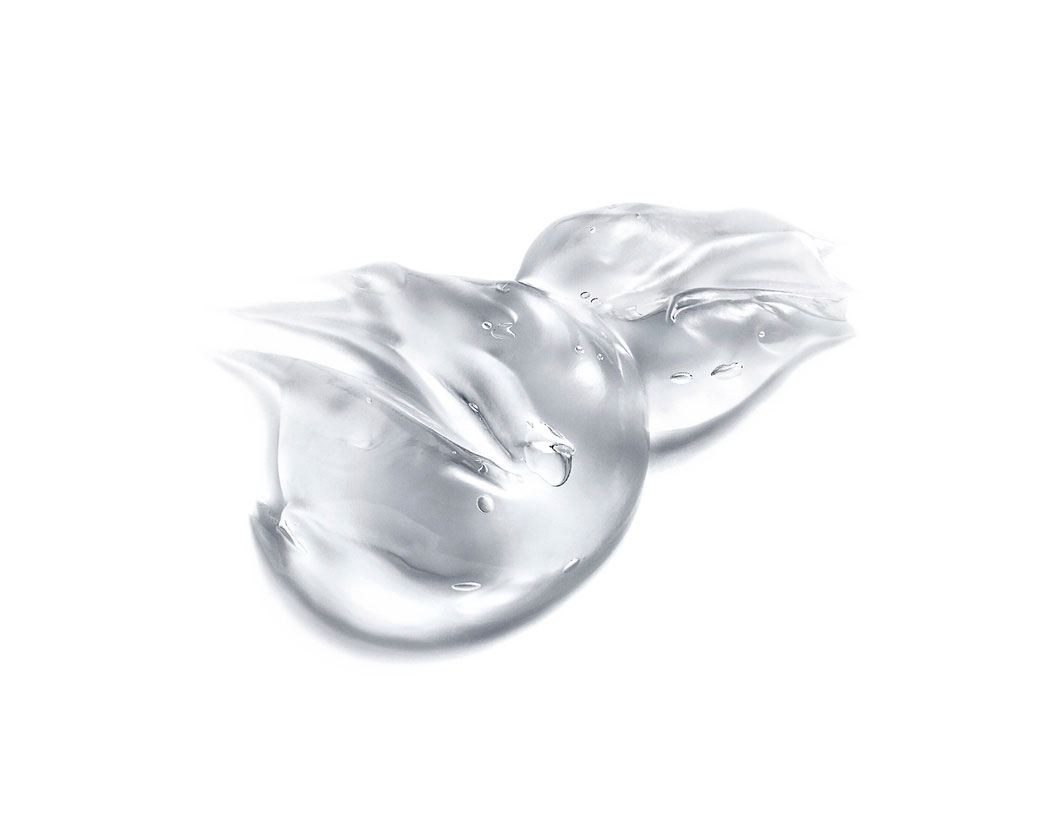
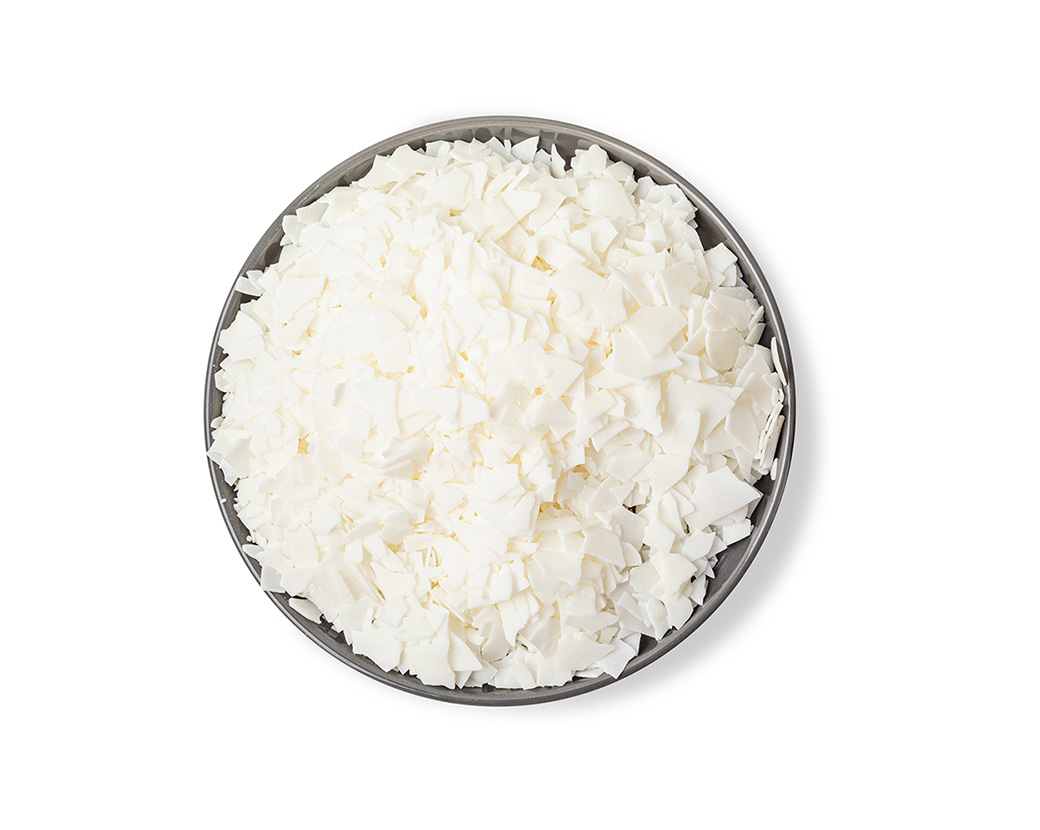
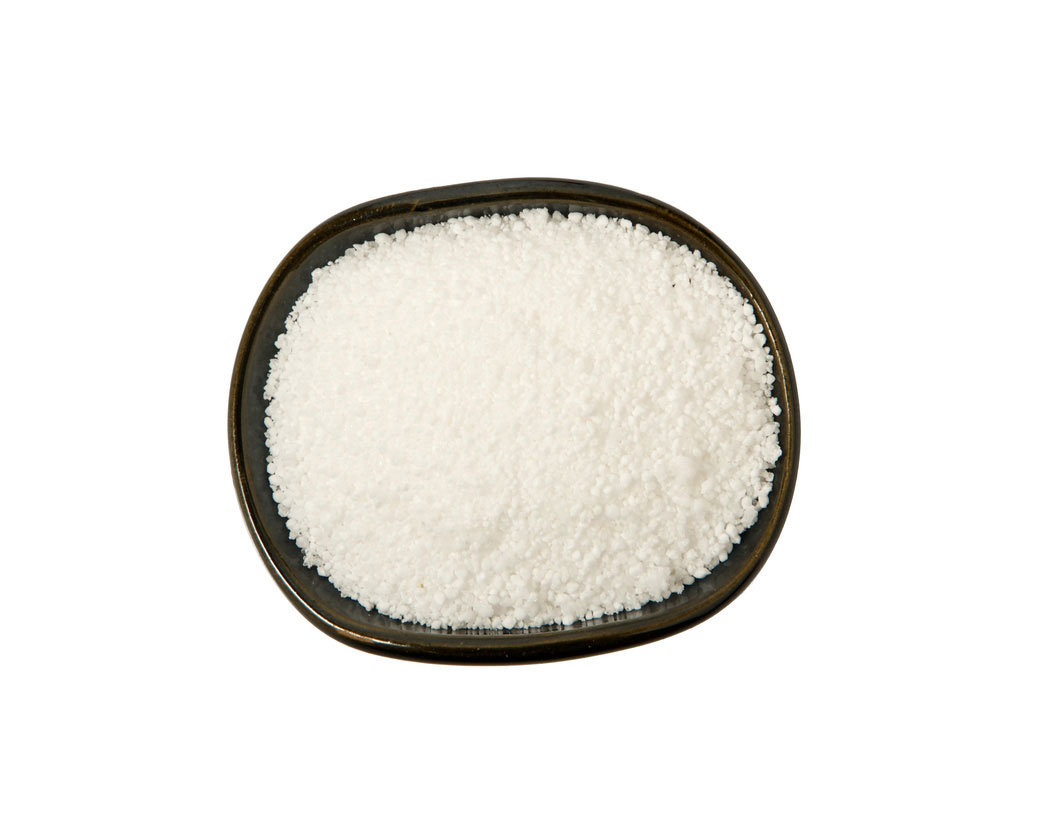
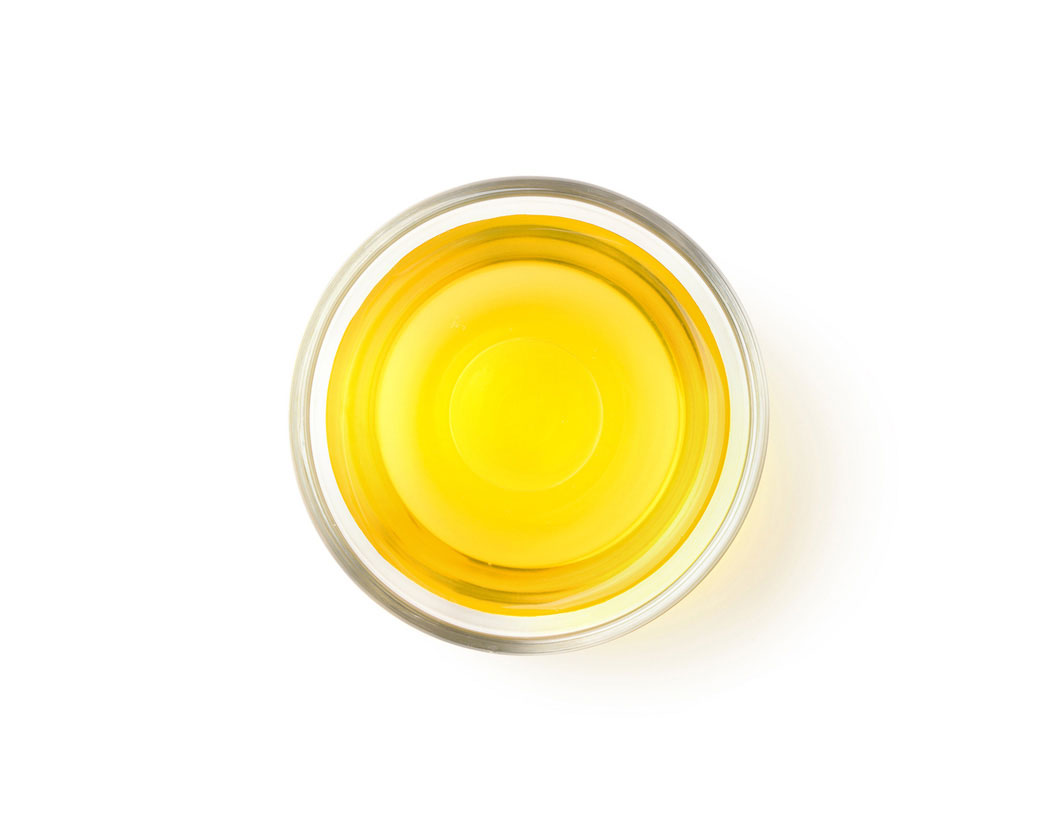


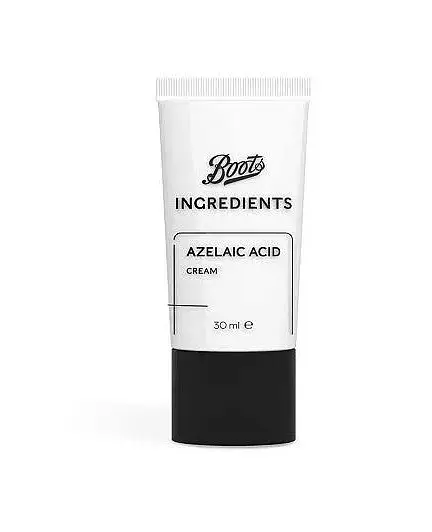
According to CreamScan analysis, Boots Azelaic Acid Gel Cream is quite moisturizing, with a moisturizing rating of 5.4 out of 10.
Is it more humectant or occlusive? Significantly more humectant. It has a low occlusivity of 2.5 out of 10 and a very high humectancy of 8.4 out of 10, primarily due to the high content of Butylene Glycol (est. ≈7.5%).
This type of moisturizer is ideal for people with combination and oily skin who want maximum hydration in a relatively lightweight, non-greasy formula. It combines a significant amount of humectants with a limited amount of occlusive ingredients to boost moisturizing efficacy without feeling too heavy.
This product may also be a good choice for people with normal skin who prefer fast-absorbing textures, as it balances significant moisturizing potential with a relatively lightweight texture.
But it’s not limited to combination and oily skin - such a humectant boost will also positively contribute to the moisturizing efficacy of any skincare routine when used as a step before applying the main moisturizer. This type of formulation is typically used in serums, where a light, fast-absorbing texture is key.
Please refer to the Ratings section below for details of the moisturizing rating calculation.
Based on the ingredient list analysis, Boots Azelaic Acid Gel Cream is rich (> 5%) in soothing ingredients, particularly Azelaic Acid (est. ≈5.0%).
When applied to the skin, compounds of soothing ingredients, such as triglycerides, phospholipids, fatty acids, phenolic compounds, and antioxidants, work together to soothe the skin through various mechanisms: reducing inflammation, promoting wound healing, repairing the skin barrier, and providing antimicrobial and antioxidant activities.
📌 Please note that this is not a complete list of benefits. We are in the process of enhancing our model to incorporate anti-pigmentation, exfoliation and anti-acne ratings.
If one of your main reasons for choosing Boots Azelaic Acid Gel Cream is its potential anti-aging effects, please note that, according to CreamScan analysis, it currently has a zero anti-wrinkle rating.
It contains Beta-Glucan, an ingredient often marketed as effective in reducing wrinkles. However, the studies supporting the anti-wrinkle claims of Beta-Glucan provide insufficient evidence of its efficacy according to CreamScan Research Evaluation Standards.
While this does not categorically rule out the possibility that Beta-Glucan may reduce wrinkles, its efficacy is not supported by convincing, vehicle-controlled, double-blind clinical studies - at least none that were available to the CreamScan team at the time of publication.
Therefore, this ingredient does not generate the anti-wrinkle rating.
📌 Moisturizers, when used regularly, are proven to prevent wrinkle formation and even reduce existing wrinkles. Therefore, this product, like any other moisturizer, can deliver some anti-wrinkle effects through its moisturizing action.
Please refer to the Ratings section below for details of the anti-wrinkle rating calculation.
Est. %
 The Estimated % is our algorithm-based assumption about an ingredient's concentration in a formula. Learn more The Estimated % is our algorithm-based assumption about an ingredient's concentration in a formula. Learn more | Ingredient | Origin | Functions | |
|---|---|---|---|---|
| 70 | | Water The most used ingredient in skincare. Its concentration defines the product texture: rich creams may have about 50% of water while a light jelly about 90%. Water doesn’t moisturize the skin by itself and is used in skincare as a solvent for other ingredients. Water The most used ingredient in skincare. Its concentration defines the product texture: rich creams may have about 50% of water while a light jelly about 90%. Water doesn’t moisturize the skin by itself and is used in skincare as a solvent for other ingredients. | Naturally occurring These are ingredients initially present in nature, such as elements (Zinc, Gold, or Silver), minerals, or water. Naturally occurring These are ingredients initially present in nature, such as elements (Zinc, Gold, or Silver), minerals, or water. | Formula helper
Formula helper
|
| 7.5 | | Butylene Glycol A clear, colorless liquid humectant that draws moisture to the skin. The humectancy of butylene glycol, owed to its two hydroxyl groups, is quite considerable, although not as powerful as glycerin, which contains three hydroxyl groups. Butylene Glycol A clear, colorless liquid humectant that draws moisture to the skin. The humectancy of butylene glycol, owed to its two hydroxyl groups, is quite considerable, although not as powerful as glycerin, which contains three hydroxyl groups. | Botanical Ingredients derived from plants, mosses, and lichens: extracts, oils, powders, juices and other types of processed plant materials. Botanical Ingredients derived from plants, mosses, and lichens: extracts, oils, powders, juices and other types of processed plant materials. Synthetic All kinds of ingredients formulated or produced by a chemical process, or those that have a chemical modification in their structure. Synthetic All kinds of ingredients formulated or produced by a chemical process, or those that have a chemical modification in their structure. Petroleum Ingredients derived from petroleum, also called crude oil. Crude oil deposits were obtained from the remains of ancient organisms, such as plants, algae, and bacteria. Petroleum Ingredients derived from petroleum, also called crude oil. Crude oil deposits were obtained from the remains of ancient organisms, such as plants, algae, and bacteria. | Moisturizing (Humectant) Humectants are moisturizing ingredients that draw moisture to the skin, either from deeper layers or from the environment (when it's humid). Moisturizing (Humectant) Humectants are moisturizing ingredients that draw moisture to the skin, either from deeper layers or from the environment (when it's humid). Fragrance Fragrance ingredients add scent to a product or hide ('mask') the undesired aroma of other ingredients. Fragrance Fragrance ingredients add scent to a product or hide ('mask') the undesired aroma of other ingredients. Formula helper
Formula helper
|
| 5 | | Azelaic Acid A powerful dermatological ingredient that helps to treat acne and various pigmentation issues. It appears both in medicated creams and regular skincare. It reduces redness and inflammation but can be irritating in high concentrations. Azelaic Acid A powerful dermatological ingredient that helps to treat acne and various pigmentation issues. It appears both in medicated creams and regular skincare. It reduces redness and inflammation but can be irritating in high concentrations. | Synthetic All kinds of ingredients formulated or produced by a chemical process, or those that have a chemical modification in their structure. Synthetic All kinds of ingredients formulated or produced by a chemical process, or those that have a chemical modification in their structure. | Anti-Acne Anti-acne agents treat acne blemishes, blackheads, and whiteheads. Anti-Acne Anti-acne agents treat acne blemishes, blackheads, and whiteheads. Soothing Soothing ingredients reduce the signs of sensitivity in irritated and inflamed skin. This includes anti-inflammatory ingredients, anti-itch agents, and topical analgesics. Soothing Soothing ingredients reduce the signs of sensitivity in irritated and inflamed skin. This includes anti-inflammatory ingredients, anti-itch agents, and topical analgesics. Anti-Pigmentation Anti-pigmentation ingredients help to even skin tone by reducing the intensity of dark spots and hyperpigmentation. Anti-Pigmentation Anti-pigmentation ingredients help to even skin tone by reducing the intensity of dark spots and hyperpigmentation. Antimicrobial Antimicrobials prevent the growth of harmful microorganisms on the skin. Antimicrobial Antimicrobials prevent the growth of harmful microorganisms on the skin. Anti-Seborrheic Anti-seborrheic ingredients help to treat seborrheic dermatitis. Anti-Seborrheic Anti-seborrheic ingredients help to treat seborrheic dermatitis. Fragrance Fragrance ingredients add scent to a product or hide ('mask') the undesired aroma of other ingredients. Fragrance Fragrance ingredients add scent to a product or hide ('mask') the undesired aroma of other ingredients. Formula helper
Formula helper
|
| 3 | | Caprylic/Capric Triglyceride A natural occlusive moisturizing and emollient ingredient, it is a blend of glycerin and two fatty acids, caprylic and capric acid. It creates an oil-based protective layer on the skin, thereby preventing water loss. Caprylic/Capric Triglyceride A natural occlusive moisturizing and emollient ingredient, it is a blend of glycerin and two fatty acids, caprylic and capric acid. It creates an oil-based protective layer on the skin, thereby preventing water loss. | Botanical Ingredients derived from plants, mosses, and lichens: extracts, oils, powders, juices and other types of processed plant materials. Botanical Ingredients derived from plants, mosses, and lichens: extracts, oils, powders, juices and other types of processed plant materials. Synthetic All kinds of ingredients formulated or produced by a chemical process, or those that have a chemical modification in their structure. Synthetic All kinds of ingredients formulated or produced by a chemical process, or those that have a chemical modification in their structure. | Moisturizing (Occlusive) Occlusives are moisturizing ingredients that seal moisture into the skin, forming a water-resistant barrier. Moisturizing (Occlusive) Occlusives are moisturizing ingredients that seal moisture into the skin, forming a water-resistant barrier. Emollient Emollients fill the micro-cracks in the skin and leave it feeling soft and pleasant to the touch. Emollients are often mistakenly perceived as moisturizing ingredients. Emollient Emollients fill the micro-cracks in the skin and leave it feeling soft and pleasant to the touch. Emollients are often mistakenly perceived as moisturizing ingredients. Fragrance Fragrance ingredients add scent to a product or hide ('mask') the undesired aroma of other ingredients. Fragrance Fragrance ingredients add scent to a product or hide ('mask') the undesired aroma of other ingredients. Formula helper
Formula helper
|
| 2.5 | | Behenyl Alcohol A fatty alcohol with emollient properties. It is used as a co-emulsifier and thickener and tends to result in a product with a smooth and creamy application texture. Behenyl Alcohol A fatty alcohol with emollient properties. It is used as a co-emulsifier and thickener and tends to result in a product with a smooth and creamy application texture. | Botanical Ingredients derived from plants, mosses, and lichens: extracts, oils, powders, juices and other types of processed plant materials. Botanical Ingredients derived from plants, mosses, and lichens: extracts, oils, powders, juices and other types of processed plant materials. Synthetic All kinds of ingredients formulated or produced by a chemical process, or those that have a chemical modification in their structure. Synthetic All kinds of ingredients formulated or produced by a chemical process, or those that have a chemical modification in their structure. | Emollient Emollients fill the micro-cracks in the skin and leave it feeling soft and pleasant to the touch. Emollients are often mistakenly perceived as moisturizing ingredients. Emollient Emollients fill the micro-cracks in the skin and leave it feeling soft and pleasant to the touch. Emollients are often mistakenly perceived as moisturizing ingredients. Formula helper
Formula helper
|
| 2 | | Dimethicone The most common silicone in skincare. It forms a silky, smooth film on the skin’s surface and can help to prevent water loss. It also aids in wound healing and can treat and soften scars. Dimethicone is considered to be very safe for use. Dimethicone The most common silicone in skincare. It forms a silky, smooth film on the skin’s surface and can help to prevent water loss. It also aids in wound healing and can treat and soften scars. Dimethicone is considered to be very safe for use. | Synthetic All kinds of ingredients formulated or produced by a chemical process, or those that have a chemical modification in their structure. Synthetic All kinds of ingredients formulated or produced by a chemical process, or those that have a chemical modification in their structure. | Moisturizing (Occlusive) Occlusives are moisturizing ingredients that seal moisture into the skin, forming a water-resistant barrier. Moisturizing (Occlusive) Occlusives are moisturizing ingredients that seal moisture into the skin, forming a water-resistant barrier. Emollient Emollients fill the micro-cracks in the skin and leave it feeling soft and pleasant to the touch. Emollients are often mistakenly perceived as moisturizing ingredients. Emollient Emollients fill the micro-cracks in the skin and leave it feeling soft and pleasant to the touch. Emollients are often mistakenly perceived as moisturizing ingredients. Formula helper
Formula helper
|
| 1.5 | | Glyceryl Stearate An emollient and emulsifier typically derived from vegetable sources through a chemical reaction with glycerin. It provides stability, texture, and consistency to formulations. Its main function is to allow oil and water to mix. Glyceryl Stearate An emollient and emulsifier typically derived from vegetable sources through a chemical reaction with glycerin. It provides stability, texture, and consistency to formulations. Its main function is to allow oil and water to mix. | Botanical Ingredients derived from plants, mosses, and lichens: extracts, oils, powders, juices and other types of processed plant materials. Botanical Ingredients derived from plants, mosses, and lichens: extracts, oils, powders, juices and other types of processed plant materials. Synthetic All kinds of ingredients formulated or produced by a chemical process, or those that have a chemical modification in their structure. Synthetic All kinds of ingredients formulated or produced by a chemical process, or those that have a chemical modification in their structure. | Emollient Emollients fill the micro-cracks in the skin and leave it feeling soft and pleasant to the touch. Emollients are often mistakenly perceived as moisturizing ingredients. Emollient Emollients fill the micro-cracks in the skin and leave it feeling soft and pleasant to the touch. Emollients are often mistakenly perceived as moisturizing ingredients. Fragrance Fragrance ingredients add scent to a product or hide ('mask') the undesired aroma of other ingredients. Fragrance Fragrance ingredients add scent to a product or hide ('mask') the undesired aroma of other ingredients. Formula helper
Formula helper
|
| 1.3 | | Sorbitan Stearate A vegetable-derived ingredient most commonly used as an emulsifier to stabilize water and oil mixtures. Sorbitan Stearate A vegetable-derived ingredient most commonly used as an emulsifier to stabilize water and oil mixtures. | Botanical Ingredients derived from plants, mosses, and lichens: extracts, oils, powders, juices and other types of processed plant materials. Botanical Ingredients derived from plants, mosses, and lichens: extracts, oils, powders, juices and other types of processed plant materials. Synthetic All kinds of ingredients formulated or produced by a chemical process, or those that have a chemical modification in their structure. Synthetic All kinds of ingredients formulated or produced by a chemical process, or those that have a chemical modification in their structure. Animal Ingredients derived from animals (including birds, fish, crustaceans, mollusks, and insects) or produced by animals (e.g. dairy- and egg-derived ingredients, bee products, silk, pearls, etc.) Animal Ingredients derived from animals (including birds, fish, crustaceans, mollusks, and insects) or produced by animals (e.g. dairy- and egg-derived ingredients, bee products, silk, pearls, etc.) | Fragrance Fragrance ingredients add scent to a product or hide ('mask') the undesired aroma of other ingredients. Fragrance Fragrance ingredients add scent to a product or hide ('mask') the undesired aroma of other ingredients. Formula helper
Formula helper
|
| 1 | | Polysorbate 60 An ester based on sorbitan. It is good for emulsifying water and oils together – specifically making oil-in-water emulsions. Polysorbate 60 is also said to give a product a notable fragrance. Polysorbate 60 An ester based on sorbitan. It is good for emulsifying water and oils together – specifically making oil-in-water emulsions. Polysorbate 60 is also said to give a product a notable fragrance. | Botanical Ingredients derived from plants, mosses, and lichens: extracts, oils, powders, juices and other types of processed plant materials. Botanical Ingredients derived from plants, mosses, and lichens: extracts, oils, powders, juices and other types of processed plant materials. Synthetic All kinds of ingredients formulated or produced by a chemical process, or those that have a chemical modification in their structure. Synthetic All kinds of ingredients formulated or produced by a chemical process, or those that have a chemical modification in their structure. | Fragrance Fragrance ingredients add scent to a product or hide ('mask') the undesired aroma of other ingredients. Fragrance Fragrance ingredients add scent to a product or hide ('mask') the undesired aroma of other ingredients. Formula helper
Formula helper
|
| 0.3 | | Polyacrylate Crosspolymer-6 A polymeric ingredient that works best in water-based formulas to create gel textures. It helps to stabilize emulsions and control viscosity. Polyacrylate Crosspolymer-6 A polymeric ingredient that works best in water-based formulas to create gel textures. It helps to stabilize emulsions and control viscosity. | Synthetic All kinds of ingredients formulated or produced by a chemical process, or those that have a chemical modification in their structure. Synthetic All kinds of ingredients formulated or produced by a chemical process, or those that have a chemical modification in their structure. | Formula helper
Formula helper
|
| 0.3 | | Phenoxyethanol The most frequently used preservative in skincare. It is a clear, oil-like liquid synthetic substance that protects products from harmful bacteria and yeast, whilst still leaving skin microflora unharmed. It is confirmed by research to be harmless. Phenoxyethanol The most frequently used preservative in skincare. It is a clear, oil-like liquid synthetic substance that protects products from harmful bacteria and yeast, whilst still leaving skin microflora unharmed. It is confirmed by research to be harmless. | Synthetic All kinds of ingredients formulated or produced by a chemical process, or those that have a chemical modification in their structure. Synthetic All kinds of ingredients formulated or produced by a chemical process, or those that have a chemical modification in their structure. | Antimicrobial Antimicrobials prevent the growth of harmful microorganisms on the skin. Antimicrobial Antimicrobials prevent the growth of harmful microorganisms on the skin. Preservative Preservatives prevent the growth of bacteria and fungi in a product. Preservative Preservatives prevent the growth of bacteria and fungi in a product. |
| 0.3 | | Potassium Hydroxide A very alkaline ingredient, meaning that it has a high pH. Potassium hydroxide is therefore useful in bringing a low pH in a cosmetic product up to a more neutral, skin-safe level. Potassium Hydroxide A very alkaline ingredient, meaning that it has a high pH. Potassium hydroxide is therefore useful in bringing a low pH in a cosmetic product up to a more neutral, skin-safe level. | Synthetic All kinds of ingredients formulated or produced by a chemical process, or those that have a chemical modification in their structure. Synthetic All kinds of ingredients formulated or produced by a chemical process, or those that have a chemical modification in their structure. | Formula helper
Formula helper
|
| 0.3 | | Potassium Cetyl Phosphate A powerful emulsifier that can even mix particularly problematic water and oil blends. It is also a surfactant perfect for cleansing products that effectively rinse off oil and dirt particles from the surface of the skin. Potassium Cetyl Phosphate A powerful emulsifier that can even mix particularly problematic water and oil blends. It is also a surfactant perfect for cleansing products that effectively rinse off oil and dirt particles from the surface of the skin. | Botanical Ingredients derived from plants, mosses, and lichens: extracts, oils, powders, juices and other types of processed plant materials. Botanical Ingredients derived from plants, mosses, and lichens: extracts, oils, powders, juices and other types of processed plant materials. Synthetic All kinds of ingredients formulated or produced by a chemical process, or those that have a chemical modification in their structure. Synthetic All kinds of ingredients formulated or produced by a chemical process, or those that have a chemical modification in their structure. | Cleansing Cleansing ingredients, also known as surfactants, clear dirt and buildup from the skin. Cleansing Cleansing ingredients, also known as surfactants, clear dirt and buildup from the skin. Formula helper
Formula helper
|
| 0.3 | | Bisabolol An anti-inflammatory compound found naturally in German chamomile essential oil. It has a pleasant, sweet, and floral scent. Bisabolol also has soothing and anti-inflammatory properties but can cause an allergic reaction in more sensitive individuals. Bisabolol An anti-inflammatory compound found naturally in German chamomile essential oil. It has a pleasant, sweet, and floral scent. Bisabolol also has soothing and anti-inflammatory properties but can cause an allergic reaction in more sensitive individuals. | Botanical Ingredients derived from plants, mosses, and lichens: extracts, oils, powders, juices and other types of processed plant materials. Botanical Ingredients derived from plants, mosses, and lichens: extracts, oils, powders, juices and other types of processed plant materials. Synthetic All kinds of ingredients formulated or produced by a chemical process, or those that have a chemical modification in their structure. Synthetic All kinds of ingredients formulated or produced by a chemical process, or those that have a chemical modification in their structure. | Soothing Soothing ingredients reduce the signs of sensitivity in irritated and inflamed skin. This includes anti-inflammatory ingredients, anti-itch agents, and topical analgesics. Soothing Soothing ingredients reduce the signs of sensitivity in irritated and inflamed skin. This includes anti-inflammatory ingredients, anti-itch agents, and topical analgesics. Fragrance Fragrance ingredients add scent to a product or hide ('mask') the undesired aroma of other ingredients. Fragrance Fragrance ingredients add scent to a product or hide ('mask') the undesired aroma of other ingredients. |
| 0.3 | | Ethylhexylglycerin A preservative booster derived from glycerin. It is commonly paired with other preservatives to improve their efficacy. Ethylhexylglycerin is also a humectant due to its chemical base of glycerin. Ethylhexylglycerin A preservative booster derived from glycerin. It is commonly paired with other preservatives to improve their efficacy. Ethylhexylglycerin is also a humectant due to its chemical base of glycerin. | Synthetic All kinds of ingredients formulated or produced by a chemical process, or those that have a chemical modification in their structure. Synthetic All kinds of ingredients formulated or produced by a chemical process, or those that have a chemical modification in their structure. | Moisturizing (Humectant) Humectants are moisturizing ingredients that draw moisture to the skin, either from deeper layers or from the environment (when it's humid). Moisturizing (Humectant) Humectants are moisturizing ingredients that draw moisture to the skin, either from deeper layers or from the environment (when it's humid). Preservative Preservatives prevent the growth of bacteria and fungi in a product. Preservative Preservatives prevent the growth of bacteria and fungi in a product. |
| 0.3 | | Tocopheryl Acetate An antioxidant derivative of tocopherol (vitamin E). It helps to protect cells from free radicals and UV damage through the conversion to active vitamin E in the skin. It is more stable than tocopherol. Tocopheryl Acetate An antioxidant derivative of tocopherol (vitamin E). It helps to protect cells from free radicals and UV damage through the conversion to active vitamin E in the skin. It is more stable than tocopherol. | Botanical Ingredients derived from plants, mosses, and lichens: extracts, oils, powders, juices and other types of processed plant materials. Botanical Ingredients derived from plants, mosses, and lichens: extracts, oils, powders, juices and other types of processed plant materials. Synthetic All kinds of ingredients formulated or produced by a chemical process, or those that have a chemical modification in their structure. Synthetic All kinds of ingredients formulated or produced by a chemical process, or those that have a chemical modification in their structure. | Antioxidant Antioxidants reduce the oxidative stress caused by free radicals and prevent accelerated skin aging. Antioxidant Antioxidants reduce the oxidative stress caused by free radicals and prevent accelerated skin aging. |
| 0.3 | | Glycerin The most popular moisturizing ingredient in the world. It is a powerful humectant – cheap yet very effective. Glycerin The most popular moisturizing ingredient in the world. It is a powerful humectant – cheap yet very effective. | Botanical Ingredients derived from plants, mosses, and lichens: extracts, oils, powders, juices and other types of processed plant materials. Botanical Ingredients derived from plants, mosses, and lichens: extracts, oils, powders, juices and other types of processed plant materials. Synthetic All kinds of ingredients formulated or produced by a chemical process, or those that have a chemical modification in their structure. Synthetic All kinds of ingredients formulated or produced by a chemical process, or those that have a chemical modification in their structure. Animal Ingredients derived from animals (including birds, fish, crustaceans, mollusks, and insects) or produced by animals (e.g. dairy- and egg-derived ingredients, bee products, silk, pearls, etc.) Animal Ingredients derived from animals (including birds, fish, crustaceans, mollusks, and insects) or produced by animals (e.g. dairy- and egg-derived ingredients, bee products, silk, pearls, etc.) | Moisturizing (Humectant) Humectants are moisturizing ingredients that draw moisture to the skin, either from deeper layers or from the environment (when it's humid). Moisturizing (Humectant) Humectants are moisturizing ingredients that draw moisture to the skin, either from deeper layers or from the environment (when it's humid). Emollient Emollients fill the micro-cracks in the skin and leave it feeling soft and pleasant to the touch. Emollients are often mistakenly perceived as moisturizing ingredients. Emollient Emollients fill the micro-cracks in the skin and leave it feeling soft and pleasant to the touch. Emollients are often mistakenly perceived as moisturizing ingredients. Fragrance Fragrance ingredients add scent to a product or hide ('mask') the undesired aroma of other ingredients. Fragrance Fragrance ingredients add scent to a product or hide ('mask') the undesired aroma of other ingredients. Formula helper
Formula helper
|
| 0.3 | | o-Cymen-5-ol A preservative related to chemicals found in the herb thyme. It has its own unique smell but is very effective even at small amounts. o-Cymen-5-ol A preservative related to chemicals found in the herb thyme. It has its own unique smell but is very effective even at small amounts. | Synthetic All kinds of ingredients formulated or produced by a chemical process, or those that have a chemical modification in their structure. Synthetic All kinds of ingredients formulated or produced by a chemical process, or those that have a chemical modification in their structure. | Antioxidant Antioxidants reduce the oxidative stress caused by free radicals and prevent accelerated skin aging. Antioxidant Antioxidants reduce the oxidative stress caused by free radicals and prevent accelerated skin aging. Antimicrobial Antimicrobials prevent the growth of harmful microorganisms on the skin. Antimicrobial Antimicrobials prevent the growth of harmful microorganisms on the skin. Preservative Preservatives prevent the growth of bacteria and fungi in a product. Preservative Preservatives prevent the growth of bacteria and fungi in a product. |
| 0.3 | | Disodium EDTA A synthetic chelator that helps to maintain the look and smell of a product by 'locking up' troublesome metal ions. Disodium EDTA A synthetic chelator that helps to maintain the look and smell of a product by 'locking up' troublesome metal ions. | Synthetic All kinds of ingredients formulated or produced by a chemical process, or those that have a chemical modification in their structure. Synthetic All kinds of ingredients formulated or produced by a chemical process, or those that have a chemical modification in their structure. | Formula helper
Formula helper
|
| 0.3 | | Beta-Glucan A special polysaccharide obtained from cereals, mushrooms, yeast, bacteria, and some species of seaweed. It is a promising anti-wrinkle, wound healing, antioxidant, and moisturizing ingredient. Beta-Glucan A special polysaccharide obtained from cereals, mushrooms, yeast, bacteria, and some species of seaweed. It is a promising anti-wrinkle, wound healing, antioxidant, and moisturizing ingredient. | Botanical Ingredients derived from plants, mosses, and lichens: extracts, oils, powders, juices and other types of processed plant materials. Botanical Ingredients derived from plants, mosses, and lichens: extracts, oils, powders, juices and other types of processed plant materials. Fungi Fungi is a unique kingdom of organisms including single-cell yeasts, molds, and mushrooms. They are a rich source of cosmetic ingredients such as mushroom extracts, oils, and powders. Fungi Fungi is a unique kingdom of organisms including single-cell yeasts, molds, and mushrooms. They are a rich source of cosmetic ingredients such as mushroom extracts, oils, and powders. Biotech The biotech origin of the ingredient implies that it was made in a lab using cultured microorganisms (bacteria or fungi) and a substrate (e.g. through the fermentation process), and then extracted and/or purified. Biotech The biotech origin of the ingredient implies that it was made in a lab using cultured microorganisms (bacteria or fungi) and a substrate (e.g. through the fermentation process), and then extracted and/or purified. Synthetic All kinds of ingredients formulated or produced by a chemical process, or those that have a chemical modification in their structure. Synthetic All kinds of ingredients formulated or produced by a chemical process, or those that have a chemical modification in their structure. | Moisturizing (Humectant) Humectants are moisturizing ingredients that draw moisture to the skin, either from deeper layers or from the environment (when it's humid). Moisturizing (Humectant) Humectants are moisturizing ingredients that draw moisture to the skin, either from deeper layers or from the environment (when it's humid). Antioxidant Antioxidants reduce the oxidative stress caused by free radicals and prevent accelerated skin aging. Antioxidant Antioxidants reduce the oxidative stress caused by free radicals and prevent accelerated skin aging. Anti-Wrinkle Anti-wrinkle ingredients prevent the formation or reduce the appearance of wrinkles. Anti-Wrinkle Anti-wrinkle ingredients prevent the formation or reduce the appearance of wrinkles. Soothing Soothing ingredients reduce the signs of sensitivity in irritated and inflamed skin. This includes anti-inflammatory ingredients, anti-itch agents, and topical analgesics. Soothing Soothing ingredients reduce the signs of sensitivity in irritated and inflamed skin. This includes anti-inflammatory ingredients, anti-itch agents, and topical analgesics. Formula helper
Formula helper
|
| 0.3 | | 1,2-Hexanediol A multi-functional formula helper. It is a well-studied preservtive against bacteria and can help pigments and fragrances disperse evenly in a formula. 1,2-Hexanediol A multi-functional formula helper. It is a well-studied preservtive against bacteria and can help pigments and fragrances disperse evenly in a formula. | Botanical Ingredients derived from plants, mosses, and lichens: extracts, oils, powders, juices and other types of processed plant materials. Botanical Ingredients derived from plants, mosses, and lichens: extracts, oils, powders, juices and other types of processed plant materials. Synthetic All kinds of ingredients formulated or produced by a chemical process, or those that have a chemical modification in their structure. Synthetic All kinds of ingredients formulated or produced by a chemical process, or those that have a chemical modification in their structure. | Preservative Preservatives prevent the growth of bacteria and fungi in a product. Preservative Preservatives prevent the growth of bacteria and fungi in a product. Formula helper
Formula helper
|
| 0.3 | | Hydroxyacetophenone An antioxidant compound that can be found in many plants, although it is manufactured synthetically for skincare purposes. It can boost the preservative action of other conservants. Hydroxyacetophenone An antioxidant compound that can be found in many plants, although it is manufactured synthetically for skincare purposes. It can boost the preservative action of other conservants. | Synthetic All kinds of ingredients formulated or produced by a chemical process, or those that have a chemical modification in their structure. Synthetic All kinds of ingredients formulated or produced by a chemical process, or those that have a chemical modification in their structure. | Antioxidant Antioxidants reduce the oxidative stress caused by free radicals and prevent accelerated skin aging. Antioxidant Antioxidants reduce the oxidative stress caused by free radicals and prevent accelerated skin aging. |
| 70 Water Function: Formula helper Formula helper
Formula helper Formula helper
Origin: Naturally occurring Naturally occurring These are ingredients initially present in nature, such as elements (Zinc, Gold, or Silver), minerals, or water. Naturally occurring Naturally occurring These are ingredients initially present in nature, such as elements (Zinc, Gold, or Silver), minerals, or water. |
| 7.5 Butylene Glycol Function: Moisturizing (Humectant), Moisturizing (Humectant) Humectants are moisturizing ingredients that draw moisture to the skin, either from deeper layers or from the environment (when it's humid). Moisturizing (Humectant), Moisturizing (Humectant) Humectants are moisturizing ingredients that draw moisture to the skin, either from deeper layers or from the environment (when it's humid). Fragrance, Fragrance Fragrance ingredients add scent to a product or hide ('mask') the undesired aroma of other ingredients. Fragrance, Fragrance Fragrance ingredients add scent to a product or hide ('mask') the undesired aroma of other ingredients. Formula helper Formula helper
Formula helper Formula helper
Origin: Botanical, Botanical Ingredients derived from plants, mosses, and lichens: extracts, oils, powders, juices and other types of processed plant materials. Botanical, Botanical Ingredients derived from plants, mosses, and lichens: extracts, oils, powders, juices and other types of processed plant materials. Synthetic, Synthetic All kinds of ingredients formulated or produced by a chemical process, or those that have a chemical modification in their structure. Synthetic, Synthetic All kinds of ingredients formulated or produced by a chemical process, or those that have a chemical modification in their structure. Petroleum Petroleum Ingredients derived from petroleum, also called crude oil. Crude oil deposits were obtained from the remains of ancient organisms, such as plants, algae, and bacteria. Petroleum Petroleum Ingredients derived from petroleum, also called crude oil. Crude oil deposits were obtained from the remains of ancient organisms, such as plants, algae, and bacteria. |
| 5 Azelaic Acid Function: Anti-Acne, Anti-Acne Anti-acne agents treat acne blemishes, blackheads, and whiteheads. Anti-Acne, Anti-Acne Anti-acne agents treat acne blemishes, blackheads, and whiteheads. Soothing, Soothing Soothing ingredients reduce the signs of sensitivity in irritated and inflamed skin. This includes anti-inflammatory ingredients, anti-itch agents, and topical analgesics. Soothing, Soothing Soothing ingredients reduce the signs of sensitivity in irritated and inflamed skin. This includes anti-inflammatory ingredients, anti-itch agents, and topical analgesics. Anti-Pigmentation, Anti-Pigmentation Anti-pigmentation ingredients help to even skin tone by reducing the intensity of dark spots and hyperpigmentation. Anti-Pigmentation, Anti-Pigmentation Anti-pigmentation ingredients help to even skin tone by reducing the intensity of dark spots and hyperpigmentation. Antimicrobial, Antimicrobial Antimicrobials prevent the growth of harmful microorganisms on the skin. Antimicrobial, Antimicrobial Antimicrobials prevent the growth of harmful microorganisms on the skin. Anti-Seborrheic, Anti-Seborrheic Anti-seborrheic ingredients help to treat seborrheic dermatitis. Anti-Seborrheic, Anti-Seborrheic Anti-seborrheic ingredients help to treat seborrheic dermatitis. Fragrance, Fragrance Fragrance ingredients add scent to a product or hide ('mask') the undesired aroma of other ingredients. Fragrance, Fragrance Fragrance ingredients add scent to a product or hide ('mask') the undesired aroma of other ingredients. Formula helper Formula helper
Formula helper Formula helper
Origin: Synthetic Synthetic All kinds of ingredients formulated or produced by a chemical process, or those that have a chemical modification in their structure. Synthetic Synthetic All kinds of ingredients formulated or produced by a chemical process, or those that have a chemical modification in their structure. |
| 3 Caprylic/Capric Triglyceride Function: Moisturizing (Occlusive), Moisturizing (Occlusive) Occlusives are moisturizing ingredients that seal moisture into the skin, forming a water-resistant barrier. Moisturizing (Occlusive), Moisturizing (Occlusive) Occlusives are moisturizing ingredients that seal moisture into the skin, forming a water-resistant barrier. Emollient, Emollient Emollients fill the micro-cracks in the skin and leave it feeling soft and pleasant to the touch. Emollients are often mistakenly perceived as moisturizing ingredients. Emollient, Emollient Emollients fill the micro-cracks in the skin and leave it feeling soft and pleasant to the touch. Emollients are often mistakenly perceived as moisturizing ingredients. Fragrance, Fragrance Fragrance ingredients add scent to a product or hide ('mask') the undesired aroma of other ingredients. Fragrance, Fragrance Fragrance ingredients add scent to a product or hide ('mask') the undesired aroma of other ingredients. Formula helper Formula helper
Formula helper Formula helper
Origin: Botanical, Botanical Ingredients derived from plants, mosses, and lichens: extracts, oils, powders, juices and other types of processed plant materials. Botanical, Botanical Ingredients derived from plants, mosses, and lichens: extracts, oils, powders, juices and other types of processed plant materials. Synthetic Synthetic All kinds of ingredients formulated or produced by a chemical process, or those that have a chemical modification in their structure. Synthetic Synthetic All kinds of ingredients formulated or produced by a chemical process, or those that have a chemical modification in their structure. |
| 2.5 Behenyl Alcohol Function: Emollient, Emollient Emollients fill the micro-cracks in the skin and leave it feeling soft and pleasant to the touch. Emollients are often mistakenly perceived as moisturizing ingredients. Emollient, Emollient Emollients fill the micro-cracks in the skin and leave it feeling soft and pleasant to the touch. Emollients are often mistakenly perceived as moisturizing ingredients. Formula helper Formula helper
Formula helper Formula helper
Origin: Botanical, Botanical Ingredients derived from plants, mosses, and lichens: extracts, oils, powders, juices and other types of processed plant materials. Botanical, Botanical Ingredients derived from plants, mosses, and lichens: extracts, oils, powders, juices and other types of processed plant materials. Synthetic Synthetic All kinds of ingredients formulated or produced by a chemical process, or those that have a chemical modification in their structure. Synthetic Synthetic All kinds of ingredients formulated or produced by a chemical process, or those that have a chemical modification in their structure. |
| 2 Dimethicone Function: Moisturizing (Occlusive), Moisturizing (Occlusive) Occlusives are moisturizing ingredients that seal moisture into the skin, forming a water-resistant barrier. Moisturizing (Occlusive), Moisturizing (Occlusive) Occlusives are moisturizing ingredients that seal moisture into the skin, forming a water-resistant barrier. Emollient, Emollient Emollients fill the micro-cracks in the skin and leave it feeling soft and pleasant to the touch. Emollients are often mistakenly perceived as moisturizing ingredients. Emollient, Emollient Emollients fill the micro-cracks in the skin and leave it feeling soft and pleasant to the touch. Emollients are often mistakenly perceived as moisturizing ingredients. Formula helper Formula helper
Formula helper Formula helper
Origin: Synthetic Synthetic All kinds of ingredients formulated or produced by a chemical process, or those that have a chemical modification in their structure. Synthetic Synthetic All kinds of ingredients formulated or produced by a chemical process, or those that have a chemical modification in their structure. |
| 1.5 Glyceryl Stearate Function: Emollient, Emollient Emollients fill the micro-cracks in the skin and leave it feeling soft and pleasant to the touch. Emollients are often mistakenly perceived as moisturizing ingredients. Emollient, Emollient Emollients fill the micro-cracks in the skin and leave it feeling soft and pleasant to the touch. Emollients are often mistakenly perceived as moisturizing ingredients. Fragrance, Fragrance Fragrance ingredients add scent to a product or hide ('mask') the undesired aroma of other ingredients. Fragrance, Fragrance Fragrance ingredients add scent to a product or hide ('mask') the undesired aroma of other ingredients. Formula helper Formula helper
Formula helper Formula helper
Origin: Botanical, Botanical Ingredients derived from plants, mosses, and lichens: extracts, oils, powders, juices and other types of processed plant materials. Botanical, Botanical Ingredients derived from plants, mosses, and lichens: extracts, oils, powders, juices and other types of processed plant materials. Synthetic Synthetic All kinds of ingredients formulated or produced by a chemical process, or those that have a chemical modification in their structure. Synthetic Synthetic All kinds of ingredients formulated or produced by a chemical process, or those that have a chemical modification in their structure. |
| 1.3 Sorbitan Stearate Function: Fragrance, Fragrance Fragrance ingredients add scent to a product or hide ('mask') the undesired aroma of other ingredients. Fragrance, Fragrance Fragrance ingredients add scent to a product or hide ('mask') the undesired aroma of other ingredients. Formula helper Formula helper
Formula helper Formula helper
Origin: Botanical, Botanical Ingredients derived from plants, mosses, and lichens: extracts, oils, powders, juices and other types of processed plant materials. Botanical, Botanical Ingredients derived from plants, mosses, and lichens: extracts, oils, powders, juices and other types of processed plant materials. Synthetic, Synthetic All kinds of ingredients formulated or produced by a chemical process, or those that have a chemical modification in their structure. Synthetic, Synthetic All kinds of ingredients formulated or produced by a chemical process, or those that have a chemical modification in their structure. Animal Animal Ingredients derived from animals (including birds, fish, crustaceans, mollusks, and insects) or produced by animals (e.g. dairy- and egg-derived ingredients, bee products, silk, pearls, etc.) Animal Animal Ingredients derived from animals (including birds, fish, crustaceans, mollusks, and insects) or produced by animals (e.g. dairy- and egg-derived ingredients, bee products, silk, pearls, etc.) |
| 1 Polysorbate 60 Function: Fragrance, Fragrance Fragrance ingredients add scent to a product or hide ('mask') the undesired aroma of other ingredients. Fragrance, Fragrance Fragrance ingredients add scent to a product or hide ('mask') the undesired aroma of other ingredients. Formula helper Formula helper
Formula helper Formula helper
Origin: Botanical, Botanical Ingredients derived from plants, mosses, and lichens: extracts, oils, powders, juices and other types of processed plant materials. Botanical, Botanical Ingredients derived from plants, mosses, and lichens: extracts, oils, powders, juices and other types of processed plant materials. Synthetic Synthetic All kinds of ingredients formulated or produced by a chemical process, or those that have a chemical modification in their structure. Synthetic Synthetic All kinds of ingredients formulated or produced by a chemical process, or those that have a chemical modification in their structure. |
| 0.3 Polyacrylate Crosspolymer-6 Function: Formula helper Formula helper
Formula helper Formula helper
Origin: Synthetic Synthetic All kinds of ingredients formulated or produced by a chemical process, or those that have a chemical modification in their structure. Synthetic Synthetic All kinds of ingredients formulated or produced by a chemical process, or those that have a chemical modification in their structure. |
| 0.3 Phenoxyethanol Function: Antimicrobial, Antimicrobial Antimicrobials prevent the growth of harmful microorganisms on the skin. Antimicrobial, Antimicrobial Antimicrobials prevent the growth of harmful microorganisms on the skin. Preservative Preservative Preservatives prevent the growth of bacteria and fungi in a product. Preservative Preservative Preservatives prevent the growth of bacteria and fungi in a product. Origin: Synthetic Synthetic All kinds of ingredients formulated or produced by a chemical process, or those that have a chemical modification in their structure. Synthetic Synthetic All kinds of ingredients formulated or produced by a chemical process, or those that have a chemical modification in their structure. |
| 0.3 Potassium Hydroxide Function: Formula helper Formula helper
Formula helper Formula helper
Origin: Synthetic Synthetic All kinds of ingredients formulated or produced by a chemical process, or those that have a chemical modification in their structure. Synthetic Synthetic All kinds of ingredients formulated or produced by a chemical process, or those that have a chemical modification in their structure. |
| 0.3 Potassium Cetyl Phosphate Function: Cleansing, Cleansing Cleansing ingredients, also known as surfactants, clear dirt and buildup from the skin. Cleansing, Cleansing Cleansing ingredients, also known as surfactants, clear dirt and buildup from the skin. Formula helper Formula helper
Formula helper Formula helper
Origin: Botanical, Botanical Ingredients derived from plants, mosses, and lichens: extracts, oils, powders, juices and other types of processed plant materials. Botanical, Botanical Ingredients derived from plants, mosses, and lichens: extracts, oils, powders, juices and other types of processed plant materials. Synthetic Synthetic All kinds of ingredients formulated or produced by a chemical process, or those that have a chemical modification in their structure. Synthetic Synthetic All kinds of ingredients formulated or produced by a chemical process, or those that have a chemical modification in their structure. |
| 0.3 Bisabolol Function: Soothing, Soothing Soothing ingredients reduce the signs of sensitivity in irritated and inflamed skin. This includes anti-inflammatory ingredients, anti-itch agents, and topical analgesics. Soothing, Soothing Soothing ingredients reduce the signs of sensitivity in irritated and inflamed skin. This includes anti-inflammatory ingredients, anti-itch agents, and topical analgesics. Fragrance Fragrance Fragrance ingredients add scent to a product or hide ('mask') the undesired aroma of other ingredients. Fragrance Fragrance Fragrance ingredients add scent to a product or hide ('mask') the undesired aroma of other ingredients. Origin: Botanical, Botanical Ingredients derived from plants, mosses, and lichens: extracts, oils, powders, juices and other types of processed plant materials. Botanical, Botanical Ingredients derived from plants, mosses, and lichens: extracts, oils, powders, juices and other types of processed plant materials. Synthetic Synthetic All kinds of ingredients formulated or produced by a chemical process, or those that have a chemical modification in their structure. Synthetic Synthetic All kinds of ingredients formulated or produced by a chemical process, or those that have a chemical modification in their structure. |
| 0.3 Ethylhexylglycerin Function: Moisturizing (Humectant), Moisturizing (Humectant) Humectants are moisturizing ingredients that draw moisture to the skin, either from deeper layers or from the environment (when it's humid). Moisturizing (Humectant), Moisturizing (Humectant) Humectants are moisturizing ingredients that draw moisture to the skin, either from deeper layers or from the environment (when it's humid). Preservative Preservative Preservatives prevent the growth of bacteria and fungi in a product. Preservative Preservative Preservatives prevent the growth of bacteria and fungi in a product. Origin: Synthetic Synthetic All kinds of ingredients formulated or produced by a chemical process, or those that have a chemical modification in their structure. Synthetic Synthetic All kinds of ingredients formulated or produced by a chemical process, or those that have a chemical modification in their structure. |
| 0.3 Tocopheryl Acetate Function: Antioxidant Antioxidant Antioxidants reduce the oxidative stress caused by free radicals and prevent accelerated skin aging. Antioxidant Antioxidant Antioxidants reduce the oxidative stress caused by free radicals and prevent accelerated skin aging. Origin: Botanical, Botanical Ingredients derived from plants, mosses, and lichens: extracts, oils, powders, juices and other types of processed plant materials. Botanical, Botanical Ingredients derived from plants, mosses, and lichens: extracts, oils, powders, juices and other types of processed plant materials. Synthetic Synthetic All kinds of ingredients formulated or produced by a chemical process, or those that have a chemical modification in their structure. Synthetic Synthetic All kinds of ingredients formulated or produced by a chemical process, or those that have a chemical modification in their structure. |
| 0.3 Glycerin Function: Moisturizing (Humectant), Moisturizing (Humectant) Humectants are moisturizing ingredients that draw moisture to the skin, either from deeper layers or from the environment (when it's humid). Moisturizing (Humectant), Moisturizing (Humectant) Humectants are moisturizing ingredients that draw moisture to the skin, either from deeper layers or from the environment (when it's humid). Emollient, Emollient Emollients fill the micro-cracks in the skin and leave it feeling soft and pleasant to the touch. Emollients are often mistakenly perceived as moisturizing ingredients. Emollient, Emollient Emollients fill the micro-cracks in the skin and leave it feeling soft and pleasant to the touch. Emollients are often mistakenly perceived as moisturizing ingredients. Fragrance, Fragrance Fragrance ingredients add scent to a product or hide ('mask') the undesired aroma of other ingredients. Fragrance, Fragrance Fragrance ingredients add scent to a product or hide ('mask') the undesired aroma of other ingredients. Formula helper Formula helper
Formula helper Formula helper
Origin: Botanical, Botanical Ingredients derived from plants, mosses, and lichens: extracts, oils, powders, juices and other types of processed plant materials. Botanical, Botanical Ingredients derived from plants, mosses, and lichens: extracts, oils, powders, juices and other types of processed plant materials. Synthetic, Synthetic All kinds of ingredients formulated or produced by a chemical process, or those that have a chemical modification in their structure. Synthetic, Synthetic All kinds of ingredients formulated or produced by a chemical process, or those that have a chemical modification in their structure. Animal Animal Ingredients derived from animals (including birds, fish, crustaceans, mollusks, and insects) or produced by animals (e.g. dairy- and egg-derived ingredients, bee products, silk, pearls, etc.) Animal Animal Ingredients derived from animals (including birds, fish, crustaceans, mollusks, and insects) or produced by animals (e.g. dairy- and egg-derived ingredients, bee products, silk, pearls, etc.) |
| 0.3 o-Cymen-5-ol Function: Antioxidant, Antioxidant Antioxidants reduce the oxidative stress caused by free radicals and prevent accelerated skin aging. Antioxidant, Antioxidant Antioxidants reduce the oxidative stress caused by free radicals and prevent accelerated skin aging. Antimicrobial, Antimicrobial Antimicrobials prevent the growth of harmful microorganisms on the skin. Antimicrobial, Antimicrobial Antimicrobials prevent the growth of harmful microorganisms on the skin. Preservative Preservative Preservatives prevent the growth of bacteria and fungi in a product. Preservative Preservative Preservatives prevent the growth of bacteria and fungi in a product. Origin: Synthetic Synthetic All kinds of ingredients formulated or produced by a chemical process, or those that have a chemical modification in their structure. Synthetic Synthetic All kinds of ingredients formulated or produced by a chemical process, or those that have a chemical modification in their structure. |
| 0.3 Disodium EDTA Function: Formula helper Formula helper
Formula helper Formula helper
Origin: Synthetic Synthetic All kinds of ingredients formulated or produced by a chemical process, or those that have a chemical modification in their structure. Synthetic Synthetic All kinds of ingredients formulated or produced by a chemical process, or those that have a chemical modification in their structure. |
| 0.3 Beta-Glucan Function: Moisturizing (Humectant), Moisturizing (Humectant) Humectants are moisturizing ingredients that draw moisture to the skin, either from deeper layers or from the environment (when it's humid). Moisturizing (Humectant), Moisturizing (Humectant) Humectants are moisturizing ingredients that draw moisture to the skin, either from deeper layers or from the environment (when it's humid). Antioxidant, Antioxidant Antioxidants reduce the oxidative stress caused by free radicals and prevent accelerated skin aging. Antioxidant, Antioxidant Antioxidants reduce the oxidative stress caused by free radicals and prevent accelerated skin aging. Anti-Wrinkle, Anti-Wrinkle Anti-wrinkle ingredients prevent the formation or reduce the appearance of wrinkles. Anti-Wrinkle, Anti-Wrinkle Anti-wrinkle ingredients prevent the formation or reduce the appearance of wrinkles. Soothing, Soothing Soothing ingredients reduce the signs of sensitivity in irritated and inflamed skin. This includes anti-inflammatory ingredients, anti-itch agents, and topical analgesics. Soothing, Soothing Soothing ingredients reduce the signs of sensitivity in irritated and inflamed skin. This includes anti-inflammatory ingredients, anti-itch agents, and topical analgesics. Formula helper Formula helper
Formula helper Formula helper
Origin: Botanical, Botanical Ingredients derived from plants, mosses, and lichens: extracts, oils, powders, juices and other types of processed plant materials. Botanical, Botanical Ingredients derived from plants, mosses, and lichens: extracts, oils, powders, juices and other types of processed plant materials. Fungi, Fungi Fungi is a unique kingdom of organisms including single-cell yeasts, molds, and mushrooms. They are a rich source of cosmetic ingredients such as mushroom extracts, oils, and powders. Fungi, Fungi Fungi is a unique kingdom of organisms including single-cell yeasts, molds, and mushrooms. They are a rich source of cosmetic ingredients such as mushroom extracts, oils, and powders. Biotech, Biotech The biotech origin of the ingredient implies that it was made in a lab using cultured microorganisms (bacteria or fungi) and a substrate (e.g. through the fermentation process), and then extracted and/or purified. Biotech, Biotech The biotech origin of the ingredient implies that it was made in a lab using cultured microorganisms (bacteria or fungi) and a substrate (e.g. through the fermentation process), and then extracted and/or purified. Synthetic Synthetic All kinds of ingredients formulated or produced by a chemical process, or those that have a chemical modification in their structure. Synthetic Synthetic All kinds of ingredients formulated or produced by a chemical process, or those that have a chemical modification in their structure. |
| 0.3 1,2-Hexanediol Function: Preservative, Preservative Preservatives prevent the growth of bacteria and fungi in a product. Preservative, Preservative Preservatives prevent the growth of bacteria and fungi in a product. Formula helper Formula helper
Formula helper Formula helper
Origin: Botanical, Botanical Ingredients derived from plants, mosses, and lichens: extracts, oils, powders, juices and other types of processed plant materials. Botanical, Botanical Ingredients derived from plants, mosses, and lichens: extracts, oils, powders, juices and other types of processed plant materials. Synthetic Synthetic All kinds of ingredients formulated or produced by a chemical process, or those that have a chemical modification in their structure. Synthetic Synthetic All kinds of ingredients formulated or produced by a chemical process, or those that have a chemical modification in their structure. |
| 0.3 Hydroxyacetophenone Function: Antioxidant Antioxidant Antioxidants reduce the oxidative stress caused by free radicals and prevent accelerated skin aging. Antioxidant Antioxidant Antioxidants reduce the oxidative stress caused by free radicals and prevent accelerated skin aging. Origin: Synthetic Synthetic All kinds of ingredients formulated or produced by a chemical process, or those that have a chemical modification in their structure. Synthetic Synthetic All kinds of ingredients formulated or produced by a chemical process, or those that have a chemical modification in their structure. |
According to various studies, a formula made up of 10% humectants will significantly increase skin hydration. Some studies also suggest that any further icrease in the consentration of humectants does not translate inty any more hydration and may even be dehydrating.
To achieve maximum Humectancy, the product should have humectants with a total score of 10 and more.
According to various studies, a formula made up of 10% humectants will significantly increase skin hydration. Some studies also suggest that any further icrease in the consentration of humectants does not translate inty any more hydration and may even be dehydrating.
To achieve maximum Humectancy, the product should have humectants with a total score of 10 and more.
The most occlusive product possible is 100% petrolatum (hello Vaseline Jelly). According to studies, however, even 10% petrolatum can achieve almost the same mosturizing effect.
The occlusive properties of petrolatum are at least twice as superior as other occlusive ingredients. This is why, in order to match the moisturizing efficacy of 10% petrolatum, a product needs to contain at least 20% of other occlusives.
Our benchmark for maximum Occlusivity is 20 (and the petrolatum score is always doubled).
The most occlusive product possible is 100% petrolatum (hello Vaseline Jelly). According to studies, however, even 10% petrolatum can achieve almost the same mosturizing effect.
The occlusive properties of petrolatum are at least twice as superior as other occlusive ingredients. This is why, in order to match the moisturizing efficacy of 10% petrolatum, a product needs to contain at least 20% of other occlusives.
Our benchmark for maximum Occlusivity is 20 (and the petrolatum score is always doubled).
| Ingredient | Est. % |
Benchmark
Sciense based points to which we compare all humectants and all occlusives in
a product to calculate its Humectancy and Occlusivity. Sciense based points to which we compare all humectants and all occlusives in
a product to calculate its Humectancy and Occlusivity. | Raiting | |
|---|---|---|---|---|
| Humectancy | All humectants | 8.4 | 10 | 8.4 |
| Butylene Glycol A clear, colorless liquid humectant that draws moisture to the skin. The humectancy of butylene glycol, owed to its two hydroxyl groups, is quite considerable, although not as powerful as glycerin, which contains three hydroxyl groups. Butylene Glycol A clear, colorless liquid humectant that draws moisture to the skin. The humectancy of butylene glycol, owed to its two hydroxyl groups, is quite considerable, although not as powerful as glycerin, which contains three hydroxyl groups. | 7.5 | |||
| Ethylhexylglycerin A preservative booster derived from glycerin. It is commonly paired with other preservatives to improve their efficacy. Ethylhexylglycerin is also a humectant due to its chemical base of glycerin. Ethylhexylglycerin A preservative booster derived from glycerin. It is commonly paired with other preservatives to improve their efficacy. Ethylhexylglycerin is also a humectant due to its chemical base of glycerin. | 0.3 | |||
| Glycerin The most popular moisturizing ingredient in the world. It is a powerful humectant – cheap yet very effective. Glycerin The most popular moisturizing ingredient in the world. It is a powerful humectant – cheap yet very effective. | 0.3 | |||
| Beta-Glucan A special polysaccharide obtained from cereals, mushrooms, yeast, bacteria, and some species of seaweed. It is a promising anti-wrinkle, wound healing, antioxidant, and moisturizing ingredient. Beta-Glucan A special polysaccharide obtained from cereals, mushrooms, yeast, bacteria, and some species of seaweed. It is a promising anti-wrinkle, wound healing, antioxidant, and moisturizing ingredient. | 0.3 | |||
| Occlusivity | All occlusives | 5.0 | 20 | 2.5 |
| Caprylic/Capric Triglyceride A natural occlusive moisturizing and emollient ingredient, it is a blend of glycerin and two fatty acids, caprylic and capric acid. It creates an oil-based protective layer on the skin, thereby preventing water loss. Caprylic/Capric Triglyceride A natural occlusive moisturizing and emollient ingredient, it is a blend of glycerin and two fatty acids, caprylic and capric acid. It creates an oil-based protective layer on the skin, thereby preventing water loss. | 3.0 | |||
| Dimethicone The most common silicone in skincare. It forms a silky, smooth film on the skin’s surface and can help to prevent water loss. It also aids in wound healing and can treat and soften scars. Dimethicone is considered to be very safe for use. Dimethicone The most common silicone in skincare. It forms a silky, smooth film on the skin’s surface and can help to prevent water loss. It also aids in wound healing and can treat and soften scars. Dimethicone is considered to be very safe for use. | 2.0 | Moisturizing rating | 5.4 | |
| Ingredient | Est. % |
Benchmark
According to various studies, a formula made up of 10% humectants will significantly increase skin hydration. Some studies also suggest that any further icrease in the consentration of humectants does not translate inty any more hydration and may even be dehydrating. To achieve maximum Humectancy, the product should have humectants with a total score of 10 and more. According to various studies, a formula made up of 10% humectants will significantly increase skin hydration. Some studies also suggest that any further icrease in the consentration of humectants does not translate inty any more hydration and may even be dehydrating. To achieve maximum Humectancy, the product should have humectants with a total score of 10 and more. | Humectancy |
|---|---|---|---|
| Butylene Glycol A clear, colorless liquid humectant that draws moisture to the skin. The humectancy of butylene glycol, owed to its two hydroxyl groups, is quite considerable, although not as powerful as glycerin, which contains three hydroxyl groups. Butylene Glycol A clear, colorless liquid humectant that draws moisture to the skin. The humectancy of butylene glycol, owed to its two hydroxyl groups, is quite considerable, although not as powerful as glycerin, which contains three hydroxyl groups. | 7.5 | ||
| Ethylhexylglycerin A preservative booster derived from glycerin. It is commonly paired with other preservatives to improve their efficacy. Ethylhexylglycerin is also a humectant due to its chemical base of glycerin. Ethylhexylglycerin A preservative booster derived from glycerin. It is commonly paired with other preservatives to improve their efficacy. Ethylhexylglycerin is also a humectant due to its chemical base of glycerin. | 0.3 | ||
| Glycerin The most popular moisturizing ingredient in the world. It is a powerful humectant – cheap yet very effective. Glycerin The most popular moisturizing ingredient in the world. It is a powerful humectant – cheap yet very effective. | 0.3 | ||
| Beta-Glucan A special polysaccharide obtained from cereals, mushrooms, yeast, bacteria, and some species of seaweed. It is a promising anti-wrinkle, wound healing, antioxidant, and moisturizing ingredient. Beta-Glucan A special polysaccharide obtained from cereals, mushrooms, yeast, bacteria, and some species of seaweed. It is a promising anti-wrinkle, wound healing, antioxidant, and moisturizing ingredient. | 0.3 | ||
| All humectants | 8.4 | 10 | 8.4 |
According to various studies, a formula made up of 10% humectants will significantly increase skin hydration. Some studies also suggest that any further icrease in the consentration of humectants does not translate inty any more hydration and may even be dehydrating.
To achieve maximum Humectancy, the product should have humectants with a total score of 10 and more.
According to various studies, a formula made up of 10% humectants will significantly increase skin hydration. Some studies also suggest that any further icrease in the consentration of humectants does not translate inty any more hydration and may even be dehydrating.
To achieve maximum Humectancy, the product should have humectants with a total score of 10 and more.
| Ingredient | Est. % |
Benchmark
The most occlusive product possible is 100% petrolatum (hello Vaseline Jelly). According to studies, hovewer, even 10% petrolatum can achieve almost the same mosturizing effect. The occlusive properties of petrolatum are at least twice as superior as other occlusive ingredients. This is why, in order to match the moisturizing efficacy of 10% petrolatum, a product needs to contain at least 20% of other occlusives. Our benchmark for maximum Occlusivity is 20 (and the petrolatum score is always doubled). The most occlusive product possible is 100% petrolatum (hello Vaseline Jelly). According to studies, hovewer, even 10% petrolatum can achieve almost the same mosturizing effect. The occlusive properties of petrolatum are at least twice as superior as other occlusive ingredients. This is why, in order to match the moisturizing efficacy of 10% petrolatum, a product needs to contain at least 20% of other occlusives. Our benchmark for maximum Occlusivity is 20 (and the petrolatum score is always doubled). | Occlusivity |
|---|---|---|---|
| Caprylic/Capric Triglyceride A natural occlusive moisturizing and emollient ingredient, it is a blend of glycerin and two fatty acids, caprylic and capric acid. It creates an oil-based protective layer on the skin, thereby preventing water loss. Caprylic/Capric Triglyceride A natural occlusive moisturizing and emollient ingredient, it is a blend of glycerin and two fatty acids, caprylic and capric acid. It creates an oil-based protective layer on the skin, thereby preventing water loss. | 3 | ||
| Dimethicone The most common silicone in skincare. It forms a silky, smooth film on the skin’s surface and can help to prevent water loss. It also aids in wound healing and can treat and soften scars. Dimethicone is considered to be very safe for use. Dimethicone The most common silicone in skincare. It forms a silky, smooth film on the skin’s surface and can help to prevent water loss. It also aids in wound healing and can treat and soften scars. Dimethicone is considered to be very safe for use. | 2 | ||
| All occlusives | 5.0 | 20 | 2.5 |
The most occlusive product possible is 100% petrolatum (hello Vaseline Jelly). According to studies, however, even 10% petrolatum can achieve almost the same mosturizing effect.
The occlusive properties of petrolatum are at least twice as superior as other occlusive ingredients. This is why, in order to match the moisturizing efficacy of 10% petrolatum, a product needs to contain at least 20% of other occlusives.
Our benchmark for maximum Occlusivity is 20 (and the petrolatum score is always doubled).
The most occlusive product possible is 100% petrolatum (hello Vaseline Jelly). According to studies, however, even 10% petrolatum can achieve almost the same mosturizing effect.
The occlusive properties of petrolatum are at least twice as superior as other occlusive ingredients. This is why, in order to match the moisturizing efficacy of 10% petrolatum, a product needs to contain at least 20% of other occlusives.
Our benchmark for maximum Occlusivity is 20 (and the petrolatum score is always doubled).
| Ingredient |
Ingredient anti-wrinkle power
Shows on a scale of 0-10 how effective an ingredient is at reducing wrinkles. Both the Reported Efficacy of the ingredient and the Strength of Evidence are taken into account. Shows on a scale of 0-10 how effective an ingredient is at reducing wrinkles. Both the Reported Efficacy of the ingredient and the Strength of Evidence are taken into account. |
when present at, % |
in this formula est. %
| Rating |
|---|---|---|---|---|
| Beta-Glucan A special polysaccharide obtained from cereals, mushrooms, yeast, bacteria, and some species of seaweed. It is a promising anti-wrinkle, wound healing, antioxidant, and moisturizing ingredient. Beta-Glucan A special polysaccharide obtained from cereals, mushrooms, yeast, bacteria, and some species of seaweed. It is a promising anti-wrinkle, wound healing, antioxidant, and moisturizing ingredient. | n/a This ingredient is marketed as effective in reducing wrinkles. However, the studies supporting the anti-wrinkle claims of this ingredient provide insufficient evidence of efficacy according to CreamScan Research Evaluation Standards. Therefore, this ingredient do not contribute to the anti-wrinkle rating. This ingredient is marketed as effective in reducing wrinkles. However, the studies supporting the anti-wrinkle claims of this ingredient provide insufficient evidence of efficacy according to CreamScan Research Evaluation Standards. Therefore, this ingredient do not contribute to the anti-wrinkle rating. | - | 0.3 | - |
| Total | 0 |
Shows on a scale of 0-10 how effective an ingredient is at reducing wrinkles.
Both the Reported Efficacy of the ingredient and the Strength of Evidence are taken into account.
Shows on a scale of 0-10 how effective an ingredient is at reducing wrinkles.
Both the Reported Efficacy of the ingredient and the Strength of Evidence are taken into account.
This ingredient is marketed as effective in reducing wrinkles.
However, the studies supporting the anti-wrinkle claims of this ingredient provide insufficient evidence of efficacy according to CreamScan Research Evaluation Standards.
Therefore, this ingredient do not contribute to the anti-wrinkle rating.
This ingredient is marketed as effective in reducing wrinkles.
However, the studies supporting the anti-wrinkle claims of this ingredient provide insufficient evidence of efficacy according to CreamScan Research Evaluation Standards.
Therefore, this ingredient do not contribute to the anti-wrinkle rating.
| Ingredient | Est. % |
Benchmark
It differs from one antioxidant ingredient to another, but, on average, the
research suggests that topically applied antioxidants are effective in
consentrations of 3% or above. Any product with a total antioxidant score of 3
or more is considered to be reach in antioxidants. It differs from one antioxidant ingredient to another, but, on average, the
research suggests that topically applied antioxidants are effective in
consentrations of 3% or above. Any product with a total antioxidant score of 3
or more is considered to be reach in antioxidants. | Rich in Antioxidants |
|---|---|---|---|
| Tocopheryl Acetate An antioxidant derivative of tocopherol (vitamin E). It helps to protect cells from free radicals and UV damage through the conversion to active vitamin E in the skin. It is more stable than tocopherol. Tocopheryl Acetate An antioxidant derivative of tocopherol (vitamin E). It helps to protect cells from free radicals and UV damage through the conversion to active vitamin E in the skin. It is more stable than tocopherol. | 0.3 | ||
| o-Cymen-5-ol A preservative related to chemicals found in the herb thyme. It has its own unique smell but is very effective even at small amounts. o-Cymen-5-ol A preservative related to chemicals found in the herb thyme. It has its own unique smell but is very effective even at small amounts. | 0.3 | ||
| Beta-Glucan A special polysaccharide obtained from cereals, mushrooms, yeast, bacteria, and some species of seaweed. It is a promising anti-wrinkle, wound healing, antioxidant, and moisturizing ingredient. Beta-Glucan A special polysaccharide obtained from cereals, mushrooms, yeast, bacteria, and some species of seaweed. It is a promising anti-wrinkle, wound healing, antioxidant, and moisturizing ingredient. | 0.3 | ||
| Hydroxyacetophenone An antioxidant compound that can be found in many plants, although it is manufactured synthetically for skincare purposes. It can boost the preservative action of other conservants. Hydroxyacetophenone An antioxidant compound that can be found in many plants, although it is manufactured synthetically for skincare purposes. It can boost the preservative action of other conservants. | 0.3 | ||
| All antioxidants | 1.2 | 3 | No |
| Ingredient | Est. % |
Benchmark
The effective concentration of soothing ingredients varies, but we consider a
product rich in soothing ingredients if their estimated concentration is equal
to or higher than 5%. The effective concentration of soothing ingredients varies, but we consider a
product rich in soothing ingredients if their estimated concentration is equal
to or higher than 5%. | Rich in Soothing |
|---|---|---|---|
| Azelaic Acid A powerful dermatological ingredient that helps to treat acne and various pigmentation issues. It appears both in medicated creams and regular skincare. It reduces redness and inflammation but can be irritating in high concentrations. Azelaic Acid A powerful dermatological ingredient that helps to treat acne and various pigmentation issues. It appears both in medicated creams and regular skincare. It reduces redness and inflammation but can be irritating in high concentrations. | 5 | ||
| Bisabolol An anti-inflammatory compound found naturally in German chamomile essential oil. It has a pleasant, sweet, and floral scent. Bisabolol also has soothing and anti-inflammatory properties but can cause an allergic reaction in more sensitive individuals. Bisabolol An anti-inflammatory compound found naturally in German chamomile essential oil. It has a pleasant, sweet, and floral scent. Bisabolol also has soothing and anti-inflammatory properties but can cause an allergic reaction in more sensitive individuals. | 0.3 | ||
| Beta-Glucan A special polysaccharide obtained from cereals, mushrooms, yeast, bacteria, and some species of seaweed. It is a promising anti-wrinkle, wound healing, antioxidant, and moisturizing ingredient. Beta-Glucan A special polysaccharide obtained from cereals, mushrooms, yeast, bacteria, and some species of seaweed. It is a promising anti-wrinkle, wound healing, antioxidant, and moisturizing ingredient. | 0.3 | ||
| All soothing | 5.6 | 5 |  |